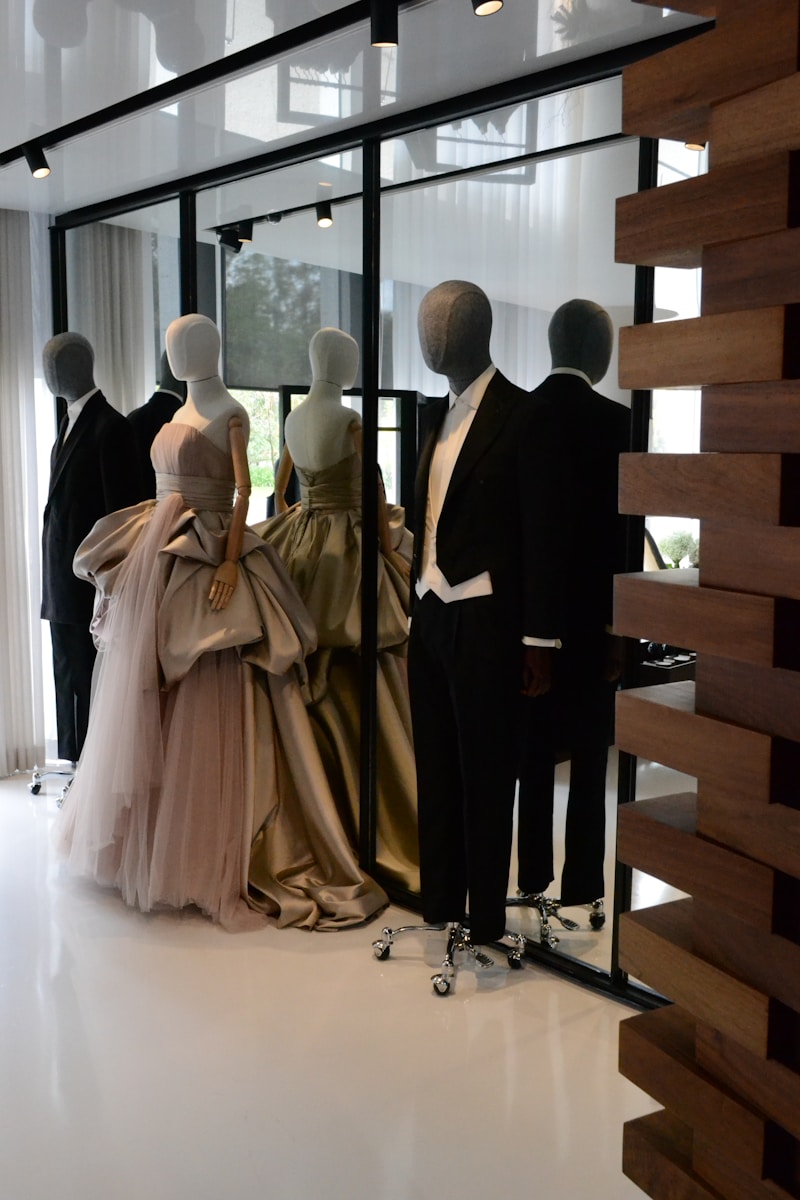
There’s a difference between being noticed and being remembered. Quiet luxury fashion lives in that difference: it’s the art of looking unmistakably refined without a single shouty logo. When you’re dressing for high-society events, galas, charity dinners, races, and rarefied garden parties, subtle choices speak the loudest. This guide breaks down what quiet luxury really means, how to decode elite dress codes, and exactly what to wear so you look impeccably placed wherever your invitation takes you.
What Quiet Luxury Really Means
Hallmarks: Fabric, Fit, And Finish
Quiet luxury starts with fabric. You feel it before you see it: a dense crepe that drapes just right, a cashmere that resists pilling, a silk faille with body, a worsted wool that breathes. When you invest in quality textiles, your clothes fall cleaner, photograph better, and last longer. Next is fit. Tailoring should trace the body, not grip it. Seams align, shoulders sit flat, hems break correctly. Finish matters too: horn buttons, hand-finished hems, hidden zippers that glide, clean-lined pocketing, and linings that don’t bubble. You’re buying engineering, not just aesthetics.
Subtle Branding And Timeless Design
In quiet luxury fashion, branding is either discreet or invisible. Let construction be the calling card. Think: a column gown with meticulous seaming, a soft-shoulder tuxedo jacket, a demi-couture cocktail dress with internal corsetry you’ll never show off, yet everyone reads as expensive. Timeless design isn’t boring, it’s calibrated. Silhouettes skew classic (A-line, sheath, tuxedo, wrap), updated via proportion (slightly elongated sleeves, higher break points) so you look current without timestamping your outfit to a micro-trend.
Understated Color And Quiet Confidence
You communicate status through restraint. Color palettes lean neutral, deep navy, charcoal, bone, oyster, espresso, ink black, punctuated with one strategic hue if it elevates the look. Quiet confidence means you don’t chase attention: you curate it. When fabric, fit, and finish are on point, you can take your place at any high-society table without saying a word.
Decoding Elite Dress Codes
White Tie Versus Black Tie
White tie is the summit of formality. For men: a black tailcoat, matching trousers with double braid, white pique wing-collar shirt, white pique waistcoat, and a hand-tied white bow tie: black patent oxfords and minimal jewelry. For women: a full-length evening gown in luxe fabric, silk satin, velvet, or mikado, plus opera-length gloves where appropriate and heirloom-level jewelry. Hair is polished and swept up or softly controlled.
Black tie is a notch down, but still exacting. Men wear a tuxedo (peak or shawl lapel), a black bow tie, and a pleated or pique-front shirt. For women: floor-length or ankle-grazing gowns, or an elevated formal separates look, think a sculpted bustier with a long skirt. Subtle sparkle is welcome: overt glitz is not.
Black-Tie Optional And Creative Black Tie
Black-tie optional permits a dark, well-cut suit for men (midnight navy earns points), white shirt, and sober tie: a tux remains the gold standard. For women: a sleek cocktail dress or minimalist gown in an elegant fabric. Creative black tie gives you a little runway to play with texture and color. Men might try a velvet dinner jacket or a midnight tux with tonal jacquard. Women can explore architectural silhouettes, capes, or refined cutouts, still elevated, still restrained.
Daytime Formal: Luncheons, Races, And Garden Parties
Day events want luminosity without shine. At luncheons, women do well in tailored dresses or skirt sets in crepe or lightweight wool: men in unstructured suits or blazer-and-trouser combinations in navy, taupe, or soft gray. For races and garden parties: embrace structured lightness. Tea-length dresses, polished separates, and hats or headpieces that complement rather than dominate. Footwear stays walkable, block heels, slingbacks, or elegant flats: loafers or slim oxfords for men.
Quiet Luxury Capsule For High-Society Events
Womenswear Essentials
- A floor-length gown in a substantive fabric (silk crepe, velvet, or mikado) with flawless internal structure.
- A minimal cocktail dress (knee to midi) in black, ink, or deep jewel tones: clean neckline, no loud hardware.
- Tailored separates: a sculpted blazer and a sleek column skirt or dressy trousers: the blazer should cinch subtly at the waist.
- A silk blouse with a quiet sheen: avoid satin that reads overly reflective under flash.
- A cashmere stole or evening shawl: quality reads instantly.
Silhouette notes: consider a bateau or square neckline, a cap sleeve to balance shoulders, and hemlines that clear the shoe. For drama, choose one focal point, an architectural shoulder, a fluid train, not three.
Menswear Essentials
- A well-cut tuxedo in midnight navy or black with satin or grosgrain lapels: single-button, jetted pockets, and side adjusters beat belt loops.
- A dark suit in a refined twill or high-twist wool: have both notch and peak lapel options if you attend often.
- Crisp white shirts: one pleated or pique-front for black tie, one plain-weave spread-collar for suits.
- Proper evening shoes: patent or high-shine calf oxfords for black tie: black cap-toe or wholecut for formal suits.
- A dinner jacket in velvet or textured jacquard for creative black tie (midnight, forest, or aubergine).
Keep proportions modern: a gentle nipped waist, trousers with a clean line and slight break, and sleeves that reveal a whisper of cuff.
Outerwear, Footwear, And Evening Bags
Outerwear shouldn’t upstage the outfit. Women: a tailored evening coat in double-faced wool or a lightweight opera coat. Men: a classic Chesterfield or a covert coat in dark camel or charcoal. Footwear stays sleek: women in 70–90mm pumps, slingbacks, or almond-toe flats: men in oxfords or Belgian-style loafers for day formal. Evening bags for women are compact: a smooth minaudière or a soft clutch in satin, nappa, or lizard: hardware minimal, logos absent. If you need capacity, choose a slim envelope clutch over a bulky shoulder bag.
Palette, Textures, And Accessories That Whisper
Neutral Foundations With Strategic Color
Start with neutrals so fabrics and cut do the talking. Black, navy, charcoal, ivory, taupe, and chocolate build the base. Layer in one measured accent: deep burgundy, petrol blue, celadon, or antique gold. If you’re attending multiple events, rotate base tones and shift textures, matte crepe one night, velvet the next, to look fresh without multiplying purchases.
Jewelry, Watches, And Belts
Jewelry is where quiet luxury fashion separates itself. Choose pieces with integrity: a pair of diamond or pearl studs, a single rivière, a slim tennis bracelet, or a sculptural gold cuff. Men can lean on cufflinks, shirt studs, and a dress watch with a clean dial. Avoid oversized logos and trend-forward stacks. Belts, if needed, should have understated buckles: in black tie, men should skip belts entirely in favor of side tabs.
The Right Bag And Shoe Pairings
Match tone and mood rather than color exactly. Black gown with black satin pumps and a satin clutch is evergreen: navy gown with dark pewter heels and a pewter minaudière reads richer than strict matching. For men, patent shoes pair with tuxedos: high-shine calf for suits. If you experiment with texture, say, velvet footwear, keep the rest of the look matte so it doesn’t veer theatrical.
Tailoring, Grooming, And Care
Fit And Alterations Checklist
- Shoulder seams align with your natural shoulder: no divots or collapse.
- Jacket waist nips in lightly: you can hug someone without strain.
- Trouser hem breaks once: skirts hang straight without twisting.
- Sleeves reveal 1/4–1/2 inch of shirt cuff (men) or sit at the wrist bone (women).
- Gowns skim the floor in heels: trains bustle cleanly.
Fabric Care And Preservation
Luxurious wardrobes deserve adult care. Steam rather than iron most evening fabrics: press only with a cloth and low heat when necessary. Brush wool after wear, rest cashmere, and store gowns in breathable garment bags with padded hangers. Rotate shoes and use cedar trees. Before a major event, schedule a professional press: after, spot-clean immediately and dry clean only when truly needed. Proper care keeps fibers resilient and colors deep.
Polished Hair, Makeup, And Fragrance
Hair should complement neckline and shoulders: updos for intricate necklines, polished waves for minimalist dresses. Makeup accents one feature, luminous skin plus either a classic red lip or a clean liner, not both. Men benefit from a tidy hairline, conditioned beards, and a subtle brow tidy. Fragrance stays close to the skin: one to two spritzes of a nuanced eau de parfum is plenty. If people can identify your scent across the room, it’s too much.
Styling Playbook: Do’s, Don’ts, And Outfit Formulas
Event-Specific Outfit Formulas
- White tie (women): floor-length gown in silk faille + opera gloves + diamond studs + satin pumps + compact minaudière.
- White tie (men): black tailcoat and trousers + white pique waistcoat + wing-collar shirt + white bow tie + patent oxfords.
- Black tie (women): column gown in matte crepe + single rivière necklace + slingbacks + evening clutch.
- Black tie (men): midnight tuxedo with shawl lapel + black bow tie + pleated shirt + patent oxfords + white pocket square.
- Daytime formal (women): tailored midi dress in crepe + low block-heel slingbacks + structured top-handle or slim clutch: add a hat for races.
- Daytime formal (men): unstructured navy suit + pale shirt + silk knit tie + polished loafers or oxfords.
Common Mistakes To Avoid
- Over-branding or monogrammed hardware front and center.
- Overly bright, reflective satins that photograph harsh.
- Shoes that skew casual (platforms, chunky sneakers) or too trendy.
- Ill-fitting jackets and dragging hems.
- Clashing metal tones across jewelry, bag hardware, and watch.
Subtle Ways To Signal Status
Let your choices whisper provenance: horn or mother-of-pearl buttons, hand-rolled edges on scarves, silk linings, and a well-adjusted mechanical watch. Rewearing pieces with new styling shows confidence and discernment. Arrive unhurried, coat properly checked, phone tucked away, and you’ll emanate the unbothered ease that high society reads immediately as the real thing.
Conclusion
Quiet luxury fashion rewards knowledge over noise. When you prioritize fabric, fit, and finish, and read the room’s dress code with precision, you’ll look right at home at any high-society event. Build a capsule, care for it, then style it with restraint. The result isn’t just elegant: it’s enduring.
Frequently Asked Questions
What is quiet luxury fashion for high-society events?
Quiet luxury fashion is refined dressing without loud logos. It prioritizes exceptional fabric, precise fit, and immaculate finish—think dense crepe, cashmere that resists pilling, and horn buttons. Silhouettes stay timeless and tailored, branding is discreet, and palettes lean neutral with one restrained accent. The result looks expensive without trying.
How do I decode white tie vs. black tie in quiet luxury fashion?
White tie is the pinnacle: men wear a tailcoat, white pique waistcoat, wing-collar shirt, and white bow tie; women choose a full-length gown in luxe fabric, often with opera gloves. Black tie allows a tuxedo for men and floor-length or ankle-grazing gowns for women—elegant, restrained, and minimally sparkling.
What should a quiet luxury fashion capsule include for galas and charity dinners?
For women: a structured evening gown, minimal cocktail dress, sculpted blazer with column skirt or trousers, a silk blouse, and a quality cashmere stole. For men: a midnight tuxedo, refined dark suit, crisp shirts, patent or high-shine oxfords, and a velvet or jacquard dinner jacket for creative black tie. Keep proportions modern.
Which colors, accessories, and shoes align with quiet luxury fashion?
Build on neutrals—black, navy, charcoal, ivory, taupe, chocolate—then add one measured accent like burgundy or petrol. Choose understated jewelry (studs, rivière, slim dress watch), minimal hardware bags, and sleek shoes: satin or matte pumps for women; patent with tuxedos and high-shine calf with suits for men. Avoid overt logos.
Can I rent or rewear outfits and still fit quiet luxury norms at high-society events?
Yes. Quiet luxury values discernment over novelty. Renting a high-quality, well-tailored piece or rewearing a gown or tux with fresh styling is entirely appropriate. Vary accessories, textures, and grooming to create newness. Ensure pristine condition, proper pressing, and subtle, cohesive accessories to maintain a polished impression.
When should I schedule tailoring and fittings before a gala?
Book initial tailoring 3–4 weeks before the event to allow adjustments, especially for gowns, tuxedos, and hemlines. Plan a follow-up fitting 7–10 days prior for fine-tuning sleeve lengths, waist suppression, and breaks. Do a final try-on 24–48 hours before, then schedule a professional press or steam for a flawless finish.
No responses yet