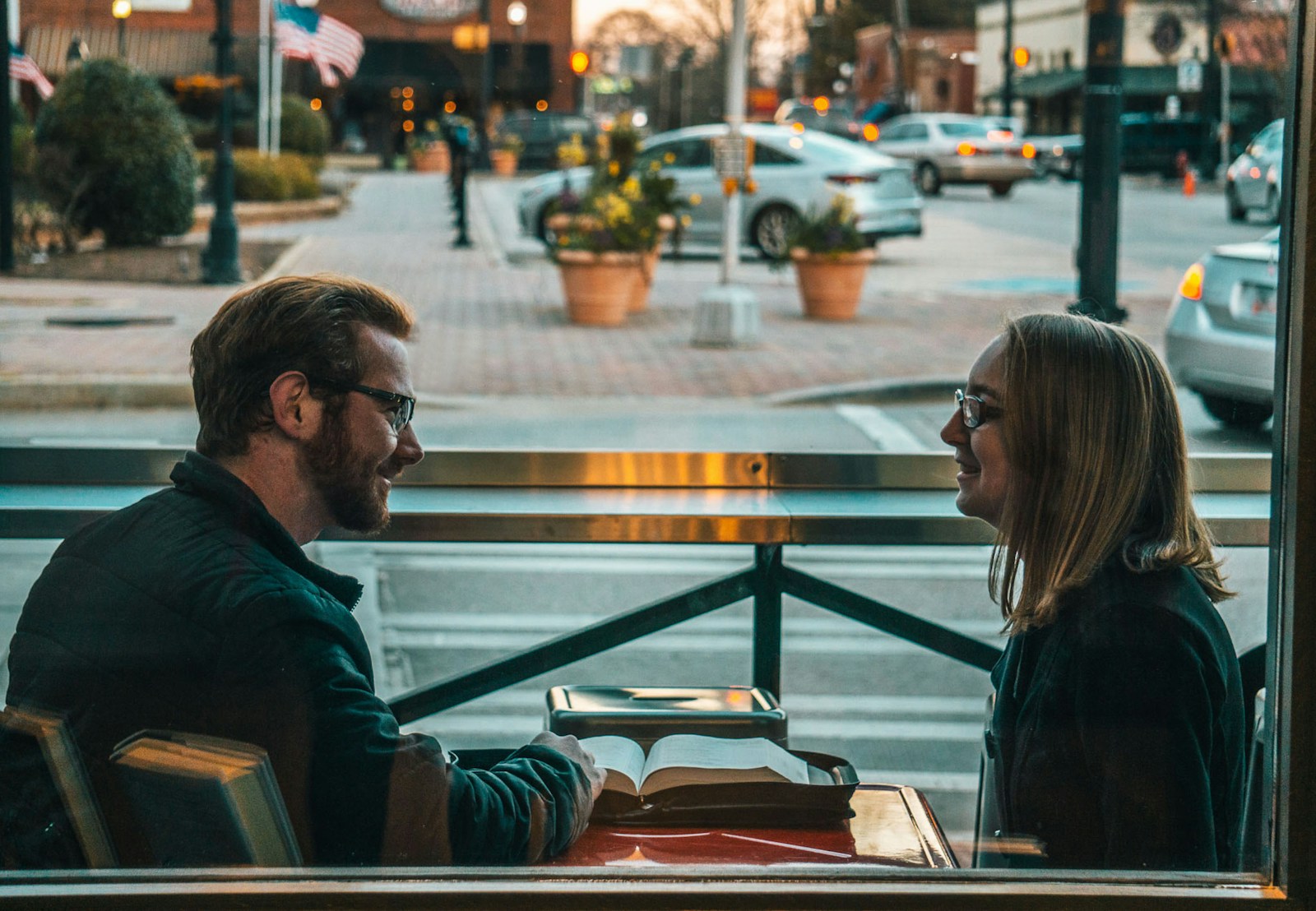
You don’t need a script to have a great first date, you need a mindset and a handful of reliable conversation starters that actually work in the wild. If you’ve ever wondered what to say on a first date without sounding rehearsed or overbearing, this guide gives you practical, easy-to-remember approaches you can use tonight. You’ll set the right tone, open with confidence, and keep the energy flowing without veering into oversharing or awkward dead ends. Think prompts, not interrogations: connection, not performance. Let’s get you talking like yourself, just a little more intentional.
Set The Right Tone: Mindset, Body Language, And Listening
Be Curious, Not Performative
You’re not trying to win a debate or give your TED Talk. You’re trying to learn who this person is, and let them see you. Lead with curiosity. Swap “I must be interesting” for “I want to be interested.” Ask follow-ups that show you heard them: “You mentioned you switched careers, what sparked that?” When you’re genuinely curious, your questions land softer, and your date relaxes because it feels like a conversation, not an interview.
A quick mindset reset before you walk in helps: assume good intent, expect a few pauses, and remember it’s okay if every topic isn’t fireworks. Chemistry is built, not magically conjured.
Use The Setting To Your Advantage
Where you meet is free material. Waiting for coffee? “This place roasts their own beans, do you have a go-to order?” At a wine bar: “I’m torn between two. Are you more into dry or fruit-forward?” On a walk: “This neighborhood’s got character, what’s your favorite corner of the city?” Using the environment keeps things grounded and prevents you from grasping for generic questions. It also signals you’re present, not mentally running a checklist.
Practice Active Listening And Reflective Echoing
Active listening is chemistry’s quiet engine. Nod, make eye contact, hold your phone hostage in your bag. Then reflect back a keyword or phrase to invite more: “You said you’re ‘weirdly competitive’, in what?” or “You called that trip ‘transformative’, how so?” Reflective echoing shows attention without parroting. And it gives your date ownership of the pace, if they want to share more, they will. If not, you’ve got another lane ready.
Easy Openers That Break The Ice
Context-Based Observations
Start with the obvious, because it’s shared. “They’ve got 90’s hits on repeat. Best throwback?” Or “That mural outside is wild, ever tried painting?” Context-based openers are effortless because you’re both experiencing the same moment. You avoid the dreaded résumé swap and start with something you can lightly riff on.
Light Personal Tidbits That Invite Reciprocity
Offer a small, easy-to-respond-to detail about yourself that opens a door. “I tried making sourdough last weekend. The smoke detector was… not impressed.” Or “I’m in my ‘learning to love early mornings’ era. Any tips?” You’re giving a breadcrumb, not a monologue. Good tidbits are short, specific, and playful, they make it easy for your date to match your energy and share their own.
Compliments That Feel Specific And Respectful
Skip generic flattery. Aim for one sincere, precise compliment that respects boundaries. “Your laugh’s contagious.” “That jacket’s got great texture.” Or “I like how thoughtful you were about choosing this place.” Keep it measured: one or two early on is enough. The point is to put them at ease, not put them on the spot.
Build Connection: Topics And Questions That Spark Chemistry
Daily Joys, Routines, And Recent Highlights
Ask what their day actually feels like. “What was the best five minutes of your week?” “What’s a small ritual that keeps you sane?” Everyday highs and micro-joys, great coffee, a run that felt easy, a meme that took them out, reveal tone and temperament. Offer your own, too: “My highlight? A neighbor’s dog has adopted me. Zero regrets.” You’re building a rhythm of exchange, not interrogating.
Passions, Hobbies, And What Energizes You
Instead of “What are your hobbies?” try “What do you lose time doing?” or “What’s the thing you’ll happily nerd out about?” People glow when they talk about energy-giving pursuits, rock climbing, pottery, film festivals, a perfect spreadsheet. If you don’t share the passion, share the curiosity: “What’s the gateway for beginners?” or “What makes a climb ‘clean’?” You’ll sound engaged because you are.
Playful Either/Ors, Hypotheticals, And Origin Stories
Keep it light and imaginative. “Beach sunrise or city sunset?” “If you had a free ticket anywhere this weekend, where are you landing?” “What’s a tradition from your family or hometown you’d never give up?” These questions invite stories, which reveal values without feeling heavy. Sprinkle in an origin story or two: “What’s the backstory on your tattoo?” or “How’d you end up in this city?” Origin questions spark narrative and nostalgia, two reliable accelerants for connection.
Follow-Ups That Deepen Without Getting Too Heavy
Depth doesn’t mean trauma-dumping. You can go a layer lower with framing: “What did you learn from that?” “What surprised you most?” “What would ‘ideal Tuesday you’ do differently?” If they mention a goal, marathon training, learning Spanish, ask “What’s kept you consistent?” If they light up about travel, “What’s your travel personality, planner or wanderer?” You’re inviting reflection while keeping the vibe buoyant.
When in doubt, rotate: light topic, shared laugh, curious follow-up, brief personal share. It’s a dance, not a data exchange.
Read The Room: Boundaries, Red Flags, And Smooth Pivots
Topics To Skip Early And Why
You can be open without oversharing. On a first date, skip deep dives into exes, grievances about your job, polarizing politics (unless the app/venue centered it), and detailed health or money talk. Those can be meaningful later, but early on they feel heavy and can corner your date into views they’re not ready to unpack. Think of first dates like a movie trailer, give enough to intrigue, save the full plot for later.
Signals To Change The Subject
Watch for micro-cues: shorter answers, forced smiles, a glance away that lingers, or a quick sip-stall before replying. If your date’s voice drops and they say “Anyway…” they’re signaling a pivot. Honor it. A simple re-route works: “We can park that, tell me about your weekend plans.” Or “I’m curious, what music has you in a chokehold right now?”
- Quick pivots you can keep in your pocket: “What’s something you’re looking forward to this month?” “If we ordered one thing to share, what would it be?”
Handling Awkward Silences Gracefully
Silences aren’t failures: they’re breath. Smile, take a sip, and let the moment pass. If it stretches, narrate lightly: “My brain just buffer-wheeled. Rebooting.” Then pick a new lane: a setting observation, a playful either/or, or a follow-up to something they mentioned earlier. If you’re mid-walk, switch pace or direction, it gives both of you a beat to reset without forcing chatter.
Tailor Your Conversation To The Date Type
Coffee Or Daytime Walk
Daylight dates are casual and kinetic. Lean on environment-driven topics and quick, upbeat exchanges. Ask about current reads, neighborhood favorites, or “What’s your go-to treat after a long week?” Because you can move, transitions are natural: pause at a storefront, react to a street performer, comment on a dog’s outfit (objectively important).
Drinks Or Happy Hour
You’ve got ambient buzz and lower lighting, great for stories. Share a “recent first” (first pick-up basketball game in years, first attempt at salsa). Try: “What’s your best ‘I can’t believe that happened’ bar story?” Keep an eye on pace: a second round can deepen the chat, but you don’t need liquid courage to be curious. If you’re both into tasting notes, compare, without going snobby.
Dinner Or Tasting
Seated dates invite longer arcs. Use courses as chapter breaks. Early: light highlights and either/ors. Middle: origin stories and passions. Later: reflective follow-ups. Menu items offer endless prompts: “Do you have a ‘must order’ wherever you go?” If conversation lulls between courses, peek at the space: “This playlist slaps, recognize the artist?” Or trade food hot takes.
Activity Dates
Bowling, mini golf, pottery, cooking classes, built-in banter. Tease playfully, keep score light, and narrate small wins: “Your curveball is illegal.” Activities create teamwork moments, offer help, ask for tips, celebrate attempts. Then bridge from the activity to personality: “Were you always competitive?” “What’s your learning style, jump in or watch first?” The activity becomes a character in the conversation, not a distraction.
Wrap It Up Well: Ending Lines And Next Steps
Gauging Interest And Suggesting A Second Date
If the energy’s good, don’t overthink it. Check in: “I had a really good time, want to keep this going next week?” Or be specific: “There’s a new ramen spot I’ve been meaning to try. Wednesday?” If you’re unsure, try a softer read: “I’d like to see you again, how are you feeling?” Clear beats coy. You’re showing respect for their time and your own.
If you’re texting afterward, reference a shared moment: “Still thinking about your ‘sourdough saga’, you sold me on trying again.” Then propose a concrete next step. Momentum matters.
Graceful Exits If You Are Not Feeling It
You can be kind and honest at the same time. In person: “Thank you for meeting up, this was nice. I’m not feeling a romantic match, but I’m glad we met.” If they seem unsure, you can add: “I don’t want to lead you on.” Post-date text works too, promptly and respectfully. No ghosting.
If you’d consider friendship, offer it only if you genuinely mean it. Otherwise, keep it simple and clean. You’re allowed to end well.
Conclusion
First dates aren’t exams: they’re experiments. When you focus on curiosity, read the room, and keep a few flexible prompts in your back pocket, you never have to panic about what to say on a first date. Use the environment, trade small personal tidbits, ask about joys and origin stories, and steer with gentle follow-ups. If something feels off, pivot. If it feels on, say so. The right conversation isn’t perfect, it’s present, and it leaves both of you wanting a second chapter.
Frequently Asked Questions
What to say on a first date to start strong?
Open with the environment and a light personal tidbit. Try, “This place roasts their own beans—do you have a go-to order?” then offer a breadcrumb like, “I tried baking sourdough; my smoke detector hates me.” This sets an easy tone, invites reciprocity, and avoids résumé-style interrogation.
How do I keep first date conversation flowing without oversharing?
Lead with curiosity and active listening. Use reflective echoing—repeat a keyword and ask a follow-up: “You said that trip was ‘transformative’—how so?” Rotate your rhythm: light topic, shared laugh, curious follow-up, brief personal share. Skip heavy dives into exes, grievances, and polarizing topics early on.
What to say on a first date when there’s an awkward silence?
Treat silences as a breath, not a failure. Smile, take a sip, then narrate lightly: “My brain just buffer-wheeled—rebooting.” Pivot to a context cue (“That mural outside is wild—ever tried painting?”), a playful either/or (“Beach sunrise or city sunset?”), or revisit a thread they mentioned earlier.
Which first date topics build connection without getting heavy?
Ask about daily joys and recent highlights (“Best five minutes of your week?”), energy-giving hobbies (“What do you lose time doing?”), and origin stories (“How’d you end up in this city?”). Follow with gentle depth: “What surprised you most?” or “What kept you consistent?” Share your own snippets to match their pace.
How long should a first date last for the best conversation flow?
Aim for 60–90 minutes. It’s long enough to establish rapport and explore a few arcs (light openers, origin stories, reflective follow-ups) without forcing depth or fatigue. Use natural chapter breaks—finishing a drink, a walk loop, or courses—to assess vibe and decide whether to extend or wrap gracefully.
What to say on a first date if I’m introverted or anxious?
Prepare 3–4 flexible prompts tied to setting and stories: “What’s a small ritual that keeps you sane?” “If you had a free ticket this weekend, where to?” Practice reflective echoing so you don’t chase new topics. Keep shares short and specific; let the environment provide easy, low-pressure transitions.
No responses yet