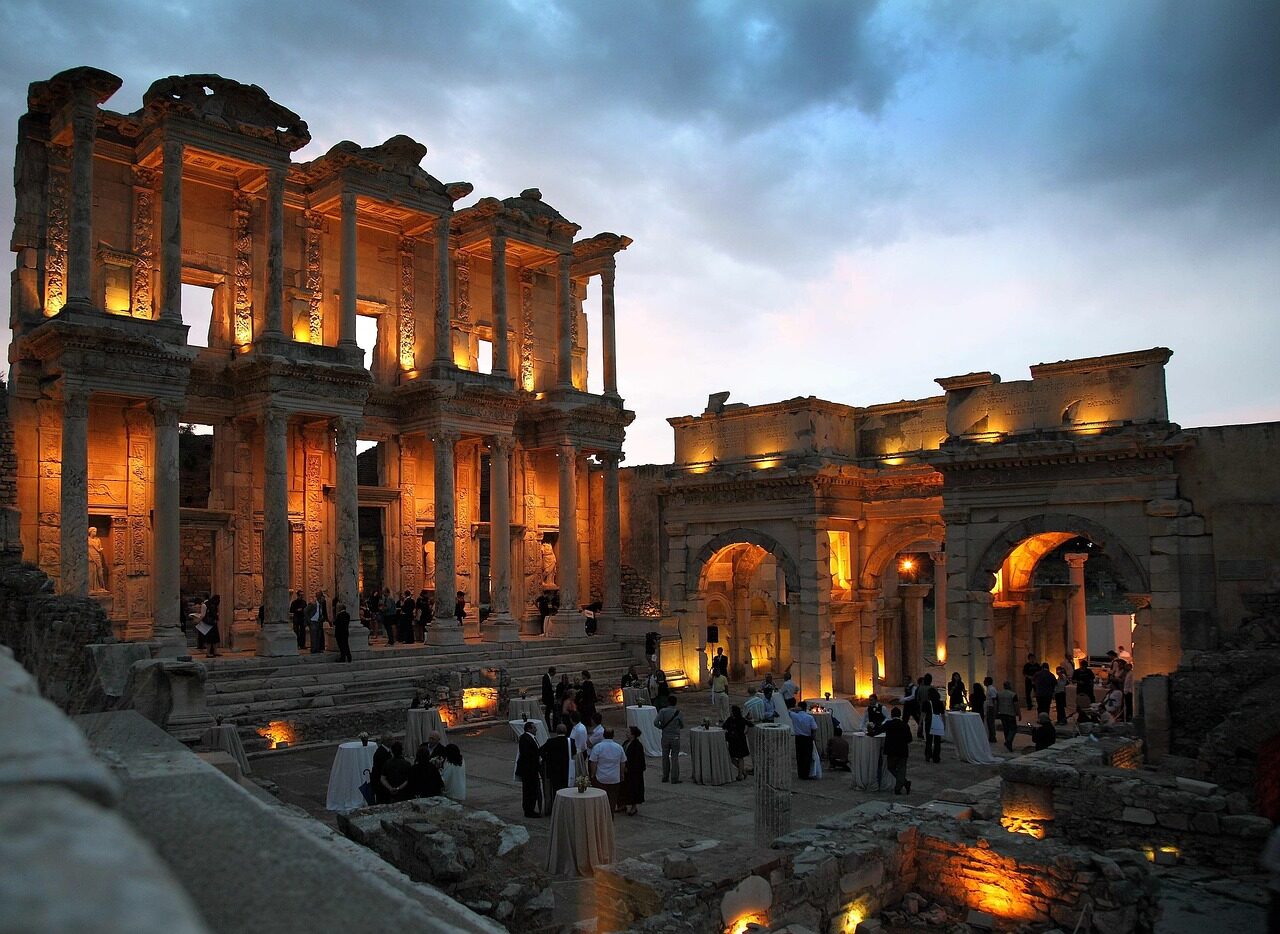
Elegant entertainment isn’t a dress code, it’s a mindset. Whether you’re hosting a black‑tie gala or a smart social gaming night, elegance shows up in how thoughtfully you plan, how smoothly the evening flows, and how well your guests feel seen. You’re crafting an experience, not just an event. This guide walks you through modern standards of polish, from purpose and budgets to music, menu, and digital etiquette, so you can host with confidence, charm, and zero chaos.
What Elegant Entertainment Means Today
Elegance today balances intention with ease. It’s not about excess: it’s about editing. You choose fewer, better elements, lighting that flatters, music that cushions conversation, a menu designed to delight and accommodate.
You also design for connection. People come to be with people, not to admire centerpieces. That means conversation-friendly layouts, clear cues about the evening’s rhythm, and gracious hosting that nudges shy guests into the mix without making it a game show.
Sustainability and inclusivity are part of modern polish. You vet vendors for responsible practices, offer non-alcoholic cocktails as thoughtfully as wine, and provide accessibility details up front. And you keep tech in its lane: helpful for RSVPs and playlists, invisible during the best moments.
In short: elegant entertainment respects your guests’ time, comfort, and attention, then rewards them with small, memorable surprises.
Planning Foundations: Purpose, Guests, Budget, and Timing
Start with the why. If you can’t state the event’s purpose in one sentence, you’ll overspend or overcomplicate. “Thank donors and announce the new initiative.” “Celebrate a milestone birthday with a jazz-forward dinner.” Purpose guides every other decision.
Then clarify who. Build a realistic guest profile, ages, interests, dietary needs, social comfort levels, and design for their experience. A brilliant playlist is wasted if the crowd prefers conversation over dance.
Match scope to budget and calendar. Prioritize investments that guests actually feel: lighting, sound, staffing, and food quality. Cut what they won’t miss: elaborate favors, overly complex florals, or activities that fracture the room’s energy.
A simple pre-plan keeps you on track:
- Purpose and guest profile: date/time and venue short list: preliminary budget with must-haves (staff, AV, lighting) before nice-to-haves.
Lock timing early. Set arrival-to-farewell windows and mark the inflection points, first toast, plated service, game start, brief program. Your run of show should read like an easy, elegant arc.
Formats That Fit: From Black-Tie Galas to Elevated Game Nights
Galas And Fundraisers
If you’re courting donors or celebrating a mission, formality can serve a purpose. Keep the program tight (20–30 minutes), seat key supporters strategically, and make giving frictionless. The elegant touch is efficiency: valet that works, name cards that are easy to spot, and a clear call to action. Swap long speeches for one strong story, then an on-time dessert and a dance set that’s actually fun. Subtle brand moments, gobo lighting, a tasteful step-and-repeat, carry more weight than logo overload.
Cocktail And Dinner Parties
Cocktail hours thrive on movement and discovery. Mix a signature welcome drink with an equally compelling zero-proof option, pass a few high-impact bites, and give people places to perch. For dinners, design a menu that’s seasonal, texturally varied, and conversation-friendly, no clattering shells or elaborate table-side gymnastics. Keep tables round or wide enough for eye contact across. If you’re hosting at home, set a prep timeline that ends 30 minutes before doors open so you’re not stirring risotto in formalwear.
Cultural Salons And Speakeasy Evenings
Think curated curiosity. Invite a musician to play an intimate set, a poet to read, or a historian to spark a 10-minute conversation before opening the floor. Speakeasy styling works when it’s a wink, not a gimmick: subdued lighting, a compact jazz trio, and a concise menu of classic cocktails plus crafted NA pairings. Keep the room under-programmed. The goal is a shared cultural moment that lingers, not a lecture.
Social Gaming Nights With Style
Game nights can be elegant when design leads. Choose games that encourage wit and light strategy over loud theatrics, think Codenames, Azul, or a well-run poker table with a clear buy-in and house rules. Use linen-topped card tables, weighted chips, and legible scorecards. Rotate play in timed rounds so no one is stranded. Serve refined snacks that don’t smudge cards, and create a loungey soundtrack at 60–70 dB so banter floats without shouting.
Atmosphere And Flow: Design, Music, And Run Of Show
Ambiance And Decor Details
Design in layers: first light, then layout, then accents. Warm, dimmable lighting flatters faces and photographs beautifully: candles in hurricane covers add movement without smoke or drip troubles. Arrange seating to promote micro-conversations, clusters of four to six, with clear pathways. Florals or greenery should sit low and breathe: scent should be subtle enough not to fight the food. If the venue has great bones, let them speak and edit the rest.
Sound, Music Curation, And A/V
Sound is half the mood. Invest in a competent A/V tech, even for small rooms. Build a playlist with arcs: welcome energy, conversational mid, late-evening lift. Live players? Clarify set lengths and volume caps. For remarks, use a handheld or discreet lav mic: nothing kills elegance like inaudible gratitude. Test everything an hour before doors, then protect the volume, your guests should feel the bass, not shout over it.
Pacing And Transitions
Elegance is pacing. Greet with a drink in the first three minutes. Keep lines moving by doubling bars or pre-batching. Announce shifts, “find your seats,” “final round begins”, with a warm host voice and visible cues. Hard-stop speeches, then cue music immediately to reset the room. End while energy is high so guests leave wanting one more song, one more hand, one more conversation.
Food And Drink With Polish
Service Styles And Staffing
Right-size your service. A gala may need captain-led teams: a home salon might shine with one pro bartender and two strong servers. The rule of thumb: more staff, less friction. Train on tray paths, guest names when possible, and discreet resets. Stations can be elegant if they’re tidy, replenished in small batches, and staffed by someone who knows the menu.
Menu Design And Dietary Considerations
Plan menus that read clean and deliver layers: a bright opener, a satisfying centerpiece, a finish that’s nostalgic with a twist. Build in inclusive options by default, vegetarian, gluten-free, and dairy-light, so guests don’t feel “accommodated,” they feel expected. Avoid common allergens in passable bites, label stations clearly, and keep portions right-sized to support the evening’s arc.
Beverage Programs And Non-Alcoholic Options
Think program, not random pours. Offer one or two signature cocktails, a balanced wine pair, and a low- or no-ABV lineup with equal ceremony, proper glassware, garnishes, and storytelling. Water service matters: chilled, replenished, and visible. If you feature spirits, set a top-shelf focal point but keep pour sizes elegant. For social gaming, consider steady, sessionable offerings to maintain pace and clarity.
Etiquette, Inclusivity, And Hosting Grace
Invitations, Dress Codes, And House Rules
Clarity is the kindest form of elegance. Your invitation should state the purpose, start and end times, dress code, and any notable rules, no flash photography, silent auction closes at nine, friendly stakes only. Provide parking, transit, and accessibility notes up front. For dress, give helpful examples (“cocktail: suits, midi dresses, polished separates”) and encourage comfort within the lane.
Accessibility And Cultural Sensitivity
Design for everyone you’ve invited. Offer step-free routes, seating variety, and quiet corners. Share menus in advance on request, and keep at least one gender-neutral restroom available. Be mindful of cultural and religious calendars, dietary laws, and greetings. If you’re featuring traditions, consult someone within that community and attribute with respect. Small signals, a sign language interpreter for remarks, captions on screens, carry outsized grace.
Digital Etiquette For Social Gaming
Online or hybrid gaming calls for structure and warmth. Circulate tech requirements and a brief how-to ahead of time. Appoint a host to manage breakout rooms, set turn timers, and keep chat friendly. Establish house rules, no spoilers, pause if someone disconnects, celebrate clever plays over ruthless victory. Cameras on when speaking, mics muted when not, and a quick post-event note with highlights keeps the community feel high even through screens.
Conclusion
Elegant entertainment is the art of making complexity feel effortless. You set a clear purpose, curate formats that fit, and tune the room, sound, light, flow, so your guests can relax into connection. Whether you’re hosting a gala, a salon, or a social gaming night, the same principles apply: design for humans, rehearse the beats, and edit the rest. Do that, and your event won’t just look refined, it’ll feel unforgettable long after the lights come up.
Elegant Entertainment: Frequently Asked Questions
What is elegant entertainment today?
Elegant entertainment is intention over excess. It favors edited choices—flattering lighting, music that supports conversation, and a menu that delights while accommodating needs. It centers human connection with conversation-friendly layouts and gracious hosting, folds in sustainability and inclusivity, and keeps tech helpful yet discreet so moments feel effortless and memorable.
How should I plan budget and priorities for an elegant event?
Start with a one-sentence purpose and a clear guest profile. Allocate budget to what guests feel most—lighting, sound, staffing, and food quality—and trim low-impact extras like elaborate favors. Lock timing early, map a tight run of show, and design a smooth arc from welcome to farewell.
How do you make a social gaming night feel like elegant entertainment?
Choose games that spark wit over noise—Codenames, Azul, or a well-run poker table with clear house rules. Use linen-topped tables, weighted chips, and legible scorecards. Rotate play in timed rounds, serve smudge-free refined snacks, and keep a loungey soundtrack around 60–70 dB to support easy banter.
What’s the best way to handle non-alcoholic drinks and dietary needs elegantly?
Offer zero-proof cocktails with the same ceremony as spirits—proper glassware, garnishes, and brief storytelling. Plan inclusive menus by default (vegetarian, gluten-free, dairy-light), label stations clearly, avoid common allergens in passed bites, and right-size portions. Visible, replenished water service reinforces care without calling attention to restrictions.
How many staff do I need for a polished event?
As a guide: 1 server per 20–25 guests for cocktail-style service; 1 per 10–12 for plated dinners. Plan 1 bartender per 50–75 guests for beer/wine, or 1 per 40–50 with craft cocktails. Add a captain for 75+ guests. Train routes, resets, and guest-name use to elevate elegance.
How long should a gala or cocktail party last for peak flow?
Aim for 2–3 hours for cocktail parties: a dynamic welcome, discovery-driven mingling, and a crisp close. Galas work best at 3–4 hours with a tight 20–30 minute program, on-time dessert, and a lively but contained dance set. End on a high so guests leave wanting more.
No responses yet